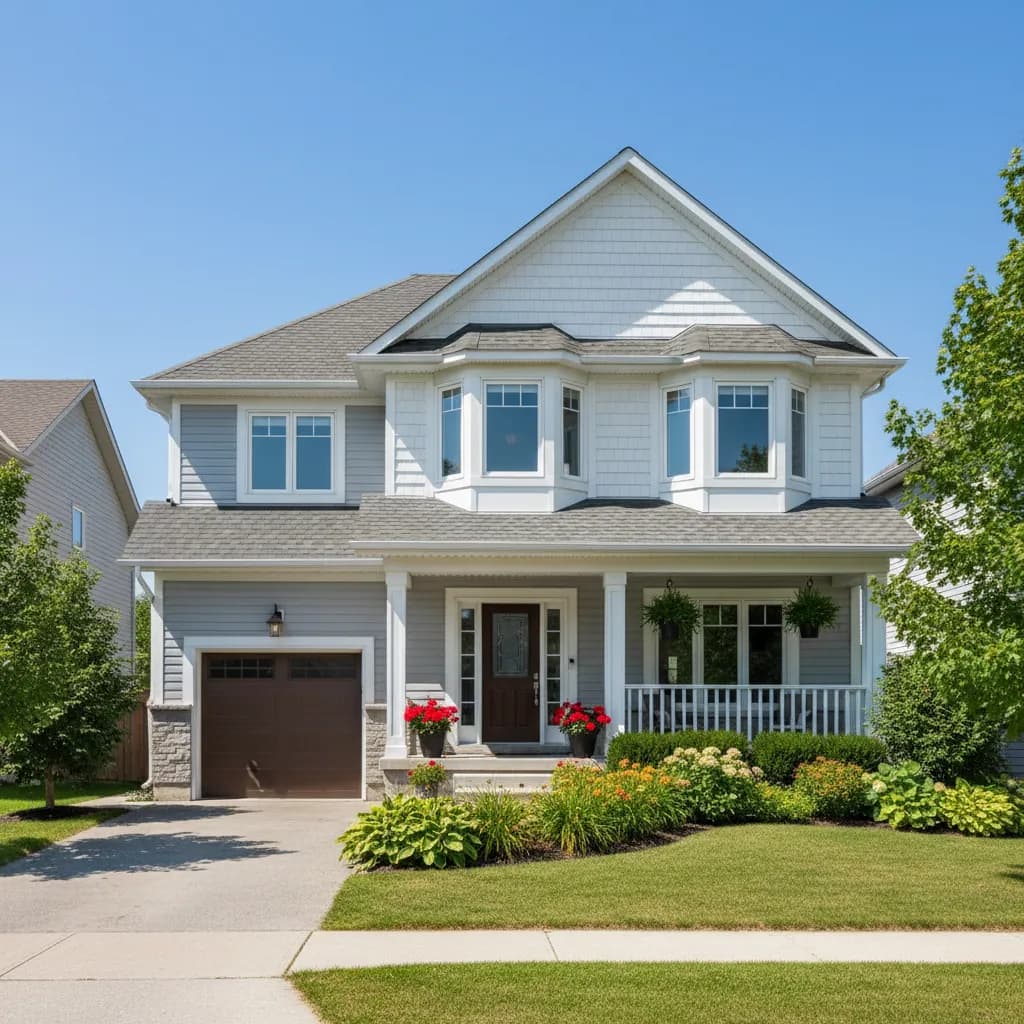
"How to Write a Listing Description That Actually Sells"
How to write a listing description that sells. Tips for Canadian realtors on crafting MLS descriptions, headlines, and feature bullets that attract buyers.
How to Write a Listing Description That Actually Sells
A great listing description does one thing: it makes the right buyers want to see the property. A mediocre description gets scrolled past. A bad one makes buyers assume the home is equally unremarkable.
In today's market, buyers have more options and shorter attention spans. They see dozens of listings in a single sitting. Your description has to earn the showing in three sentences or less.
Here's how to write one that works.
The Structure of a High-Converting Listing Description
Most effective listing descriptions follow a simple structure:
- Hook — One compelling line that sets the tone
- Features — What makes this property notable
- Neighbourhood context — Why the location matters
- Call to action — A natural close that prompts the next step
That's it. No flowery prose. No listing-agent biography. No "must see!"
The Hook: Lead With What's Exceptional
The first line is the most important. It determines whether the reader keeps going or moves on.
Weak hook:
> "Beautiful home in desirable neighbourhood."
Stronger hook:
> "Completely renovated 3-bedroom semi near Queen West, steps to transit."
The strong version tells the buyer exactly what they're getting and where it is. The weak version could describe half the homes in Toronto.
Your hook should answer: What is distinctive about this property?
Generic hooks like "stunning," "beautiful," and "must-see" are invisible. Buyers have read them a thousand times.
Feature Bullets: Be Specific, Not Vague
Buyers scan bullets. Each one should convey a concrete fact that helps them picture the property.
Vague bullets:
- Updated kitchen
- Large backyard
- Great location
Specific bullets:
- Quartz countertops and stainless appliances (2023 renovation)
- 50-foot lot with mature maple trees
- 4-minute walk to Dundas subway station
The specific version creates a mental image. The vague version leaves room for the buyer to imagine something mediocre.
What to include in bullets:
- Square footage where known
- Renovation year or notable updates
- Distinctive features (exposed brick, original hardwood, home office)
- Outdoor space details
- Storage (especially in older homes)
- Parking (in the city, this is significant)
What to leave out:
- Agent's name, brokerage, or contact info (that's what the sidebar is for)
- Subjective superlatives ("gorgeous," "spectacular," "breathtaking")
- Anything that could be considered discrimination or exclusion
The Neighbourhood Section: Location, Location
After the property features, a brief neighbourhood context helps buyers understand the lifestyle.
Focus on:
- Transit and commute (major selling point in the GTA)
- Walkability to shops, restaurants, parks
- School proximity if relevant (catchment info)
- Upcoming area improvements (if verified)
- Distinct character of the area
Keep it factual:
> "High Park is a 10-minute walk. The Roncesvalles Village shops and restaurants are 5 minutes north on Keele."
Don't overclaim:
> "The neighbourhood is undergoing rapid transformation and property values are expected to appreciate significantly."
You can hint at neighbourhood appeal without making value predictions. Let the buyer research that separately.
Common Listing Description Mistakes
1. Starting with the agent, not the property
> "Jane Smith is proud to present this stunning home..."
The agent is not the story. The property is.
2. Writing for the seller, not the buyer
Sellers want to highlight everything they love about their home. Buyers want to know if this fits their life. Write from the buyer's perspective.
3. Repeating the same features everyone mentions
If the listing next door also says "updated kitchen" and "close to transit," your description needs to differentiate.
4. Using too many adjectives
Adjectives are filler. "Beautiful spacious renovated bright" is four words saying nothing. Replace them with specifics.
5. Ignoring the MLS character limit
In Canada, MLS descriptions typically have a 1,000-1,500 character limit. Know it. Use it. Put the most important information first.
The AI Shortcut
Writing strong descriptions consistently is hard — it requires understanding what buyers in a specific neighbourhood actually care about, then translating property features into lifestyle benefits.
Hausprice's Listing Writer analyses the property details you've entered and generates an MLS-ready description in under 60 seconds — including headline, feature bullets, and neighbourhood context, written in language that resonates with buyers in that specific market.
It's not a replacement for reviewing and editing. But it handles the first draft so you're not starting from a blank page.
The One Rule
Every sentence in your listing description should answer one question from the buyer: Is this property worth seeing?
If a sentence doesn't help answer that question, cut it.
This article is for general informational purposes about listing presentation best practices. Specific market conditions and listing strategies vary by neighbourhood and property type.
Try Hausprice's Listing Writer — generate professional MLS descriptions in under 60 seconds. Start free →
Disclaimer: Hausprice provides AI-generated content for informational purposes. Generated listing descriptions should be reviewed and verified by the listing agent before publication. Hausprice assumes no liability for listing performance based on AI-generated content.
Back up your pricing recommendation with data.
Generate a professional, client-ready report in 3 minutes — AI photo analysis, comps, and condition assessment included.
Generate a Report